Globalization in a local world. I recently spent some time in the southern tip of Italy in a little town called Marina Di Novaglie. It was fantastic. I stayed with some Italian friends on their property, which was made up of two stone casettas that they had restored over a five-year period. We commiserated at the hurdles they had to overcome to modernize these historic structures; the local, regional, and national permits, the neighbors, utilities, and finding a designer and carpenter that could bring their vision to life. It made remodeling in Aspen seem like a walk in the park.
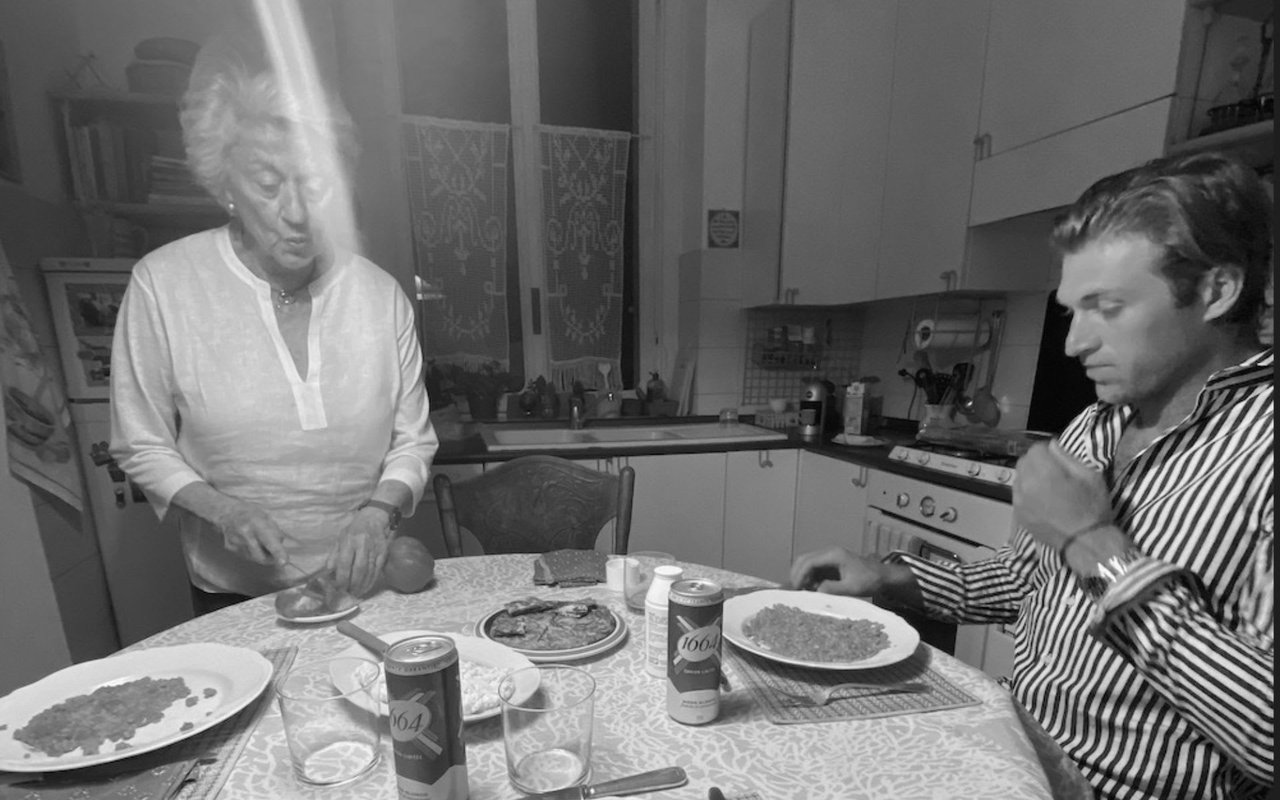
Besides laughing, eating burrata, drinking lots of wine and spritzes, sorting olives for this year's extraction, swimming in the Ionian Sea, finding a new wardrobe at the local tailor, and listening to live music we discussed the idea of kilometro zero. How towns like theirs or the Aspen's of the world are maintaining their identity. They practice shopping locally, eating locally, and relying on locals, including their real estate team and contractors, to keep them privy and in check with the dialogue and climate of the market and the town.
I, admittingly so, have no idea what this means for Marina Di Novaglie or for that matter, other markets throughout the country. It would be inappropriate for me to speak to Jackson Hole, NYC, or Dallas without relying on a colleague in that market. Spotting big market shifts is relatively easy, especially when we all have access to historical market data and we can all source trends based on hard closed-sales data or macro events. This provides fodder for headlines, good conversations for dinner parties, and the occasional 'suggestion' on what a property should sell for, but this doesn't tell the entire story. It would be like investing your money based on what Warren Buffet had done the prior quarter, asking ChatGPT where to live and what house to buy, or relying on Elon Musk's tweets to paint a picture of world politics.
When buying, selling, or renting in the Roaring Fork Valley, it is critical to work with a real estate professional who has a pulse on the town, is invested in the community, understands the day-to-day subtle changes of the market, what the different building and zoning restrictions are, and can understand the value of property past the price per square foot. Our 365/24/7 job is to work with our clients to provide real-time insights into the town and the market, know and have relationships with other professionals, understand what their personal and financial objectives are, and help clear the snow to practice kilometro zero, which benefits all of us. Legacy Matters.
- Aspen Snowmass market sales price in September ranged from $825K to $76M.
- In Aspen, there are homes/condos that sell below $2k per square foot, while the average so far in 2023 is around $3k/SqFt +/-.
- In October, the avg single-family home sale price in Aspen was $19.9M, in Snowmass it was $5.9M, and in Basalt it was $1.6M.
- In Aspen, there are 31 active land listings. In Snowmass Village, there is one.
- The past few years have seen 20%+ annual price appreciation. We have finally started to see it level out.
- Aspen condo market values bottomed at $701/SqFt in March 2012. From then until COVID, the market appreciated on avg. 14% to $2,017/SqFt. It has been appreciating about 20% annually until January 2023.
- We have not seen a reduction in the average price per square foot this year compared to last. We have seen more price reductions, which are entirely different.
- Buyers have more negotiating power, but the sale price discount is 5-6% on avg.
- Listing inventory is up about 16% overall in Aspen and less than 5% in Snowmass Village. These are still below historic levels.
- 33.12% of all sales nationally of single-family homes over $1 million in the second quarter of 2023 were cash deals.
- Value of the U.S. housing market has surged 49% since the start of the pandemic.
- About 23 million, or 45%, of all Americans ages 18 - 29 are living with family, roughly the same level as in the 1940s.